
How Climate Change Is Reshaping Outdoor Sports and Athletic Performance
CreativesHub
January 26, 2026
Introduction
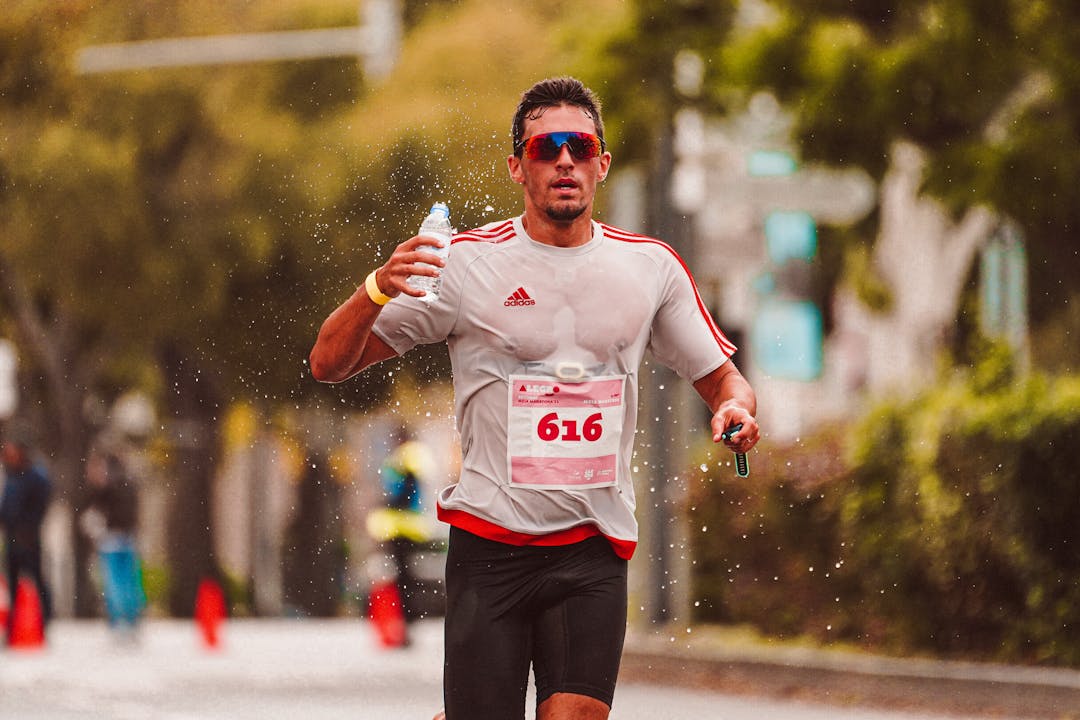
Climate change is no longer something far-fetched about the environment but a current reality and is actively redefining human activity around the world. Out of the myriad of sectors impacted, the outdoor sports are especially vulnerable. Whether it is warmer weather and unpredictable weather patterns or more air pollution and drastic weather conditions, the natural conditions, which athletes rely on, are getting altered at a fast rate.
The environment has always impacted outdoor sports, yet climate change is making such impacts more significant than they ever had been. Heatwaves interfere with tournaments, heavy rain destroys playing fields, bad air quality weakens endurance, and changing seasons change training patterns. It is even playing with the future of some sports, making athletes, coaches, sports organizations, and governing bodies reexamine their performance strategies, safety measures, and even sustainability.
This paper examines the issue of climate change in the context of outdoor sports and the direct effects of a changing environment on athlete performance, as well as how the sports system is responding to the changing environment.
Increased Temperatures and Sporting.
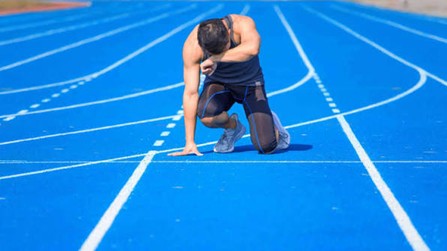
Among the most obvious effects of climatic changes is the increasing global temperatures. Heat not only provides discomfort to outdoor athletes, but it is also dangerous.
Heat is a factor that raises the core temperature of the body, which exerts more force on the cardiovascular system. The athletes are forced to exert greater efforts to cool their body temperature by sweating, which increases the rate of dehydration and electrolyte imbalance. This causes fatigue to be experienced faster, low stamina, slowed reaction rates, and loss of judgment.
This is especially true of football, cricket, marathon running, cycling, and tennis because they expose the participant to direct sunlight as long as possible. The threat of heat exhaustion and heatstroke is increased in the conditions of heat stress, and the organizers of the event must delay the games or introduce mandatory cooling breaks or shorten the duration of competition.
Athletes are currently preparing to be heat-tolerant, hydrate adaptively, and use cooling technologies more commonly in order to adjust to the increase in temperatures.
Altered weather conditions and disruption of competition.
The weather patterns have been found to be very unpredictable due to climate change. Unforeseen storms, heavy rainfall, floods, and strong winds are all that break sporting events that need to be held outdoors.
The fields that are wetted by rain make them more dangerous in terms of their slippery surfaces, and waterlogged grounds turn the venues unusable. Sports such as football, golf, baseball, and archery are influenced by windy conditions, which change the performance results and the level of fairness.
Logistical challenges such as event cancellations, broken infrastructure, and safety issues for both spectators and athletes are also a result of extreme weather events. Scheduling in the long term is more complicated because one can no longer count on seasonal patterns.
Air Quality and Endurance Problems.
The other notable effect of climatic change is poorness in the quality of air, especially in urban areas. The pollution, wildfires, and dust storms have become a concern among outdoor athletes because of the need to have clean air. The air is also of low quality, and this reduces the oxygen uptake, and this has a direct effect on the aerobic capacity as well as endurance. Due to inhaling contaminated air, the breathing of sportsmen is not easy, the lungs should work less, and respiratory diseases are more probable. Sports that are endurance in nature, like long-distance running, cycling, and football, are the ones that are specifically affected.
Air quality monitoring has consequently become a necessary aspect of event planning, with more and more activities delayed or moved under dodgy conditions.
An Influence on Playing Fields and Facilities.

Climate change is also a problem that does not just impact athletes but also the conditions in which they are playing. Lasting droughts make the grounds drier, facing athletes with more opportunities for injury due to the harder grounds. On the other hand, when it pours too much, turf quality would be destroyed as well as quicken the degradation of the fields.
Warmer winters are reducing seasons of snow-dependent sports like skiing and snowboarding and making them unreliable. Production of artificial snow has become the order of the day, and it brings up the issues of sustainability and cost.
Sports facilities should now be climate robust in terms of better drainage, heat-protective materials, and flexible facilities.
Physical and Psychological Impact on Sports People.
There are also psychological effects of the physical strain of climate change. The continuous exposure to extreme conditions elevates the levels of stress and anxiety, as well as mental fatigue, among sportsmen.
The uncertainty of the competition times and the conditions of training is an interruption to the routine of preparations. Sportsmen are forced to keep changing strategies, and this may influence the confidence and the stability of results.
Mental training has now come to be as significant as physical training when it comes to adjusting to climate-related difficulties.
Strategies of adapting to modern sport.
Athletes and sports organizations are already working towards devising options for adapting to climatic changes.
- Scheduling modified competitions (early morning matches or evening matches).
- Compulsory breaks for hydration and cooling.
- Heat acclimatization conditioning.
- Improved weather and air-quality monitoring.
- Sports infrastructure that is climate resistant.
These actions are meant to maintain the health of the athletes and also maintain the integrity of the competition.
Sports Industry Implications in the Long-Term.
Unless measures are taken to control climate change, some outdoor sports will experience a reduction in the number of people who are attending them because of safety reasons. Sports and games at the youth, grassroots, and community level sport programs are the most sensitive in that they do not have access to the highly developed resources of adaptation.
Sports leadership is being forced to make environmental sustainability part of the long-term planning. This involves minimizing carbon footprints, encouraging environmentalist-friendly places, and favoring climate-friendly policies.
Climate awareness is now getting incorporated into the training of athletes and training on sports management.
Conclusion
Outdoor sports are being completely transformed by climate change through changing the environment upon which athletes rely. The effect of higher temperature, weather instability, air pollution, and infrastructure problems directly affects performance, training and safety as well as the integrity of competitions. The problems are high, yet the sports industry is countering them through innovations, adaptation, and awareness.
Outdoor sports can survive the shifting world by prioritizing the well-being of athletes, investing in climate-regulating infrastructure, and becoming sustainable. The future of sports will not only be associated with talent and training, but also with how well the industry goes with the reality of a warming planet.
Frequently Asked Questions (FAQs).
- Q.How does climate change affect performance by athletes?
- Heat stress, fatigue, dehydration, and respiratory strain are some of the factors that cause climate change and adverse impacts on stamina, focus, and overall performance.
- Q.What are the most affected sports in the climate change?
- Outdoor sports are particularly prone to football, cricket, athletics, cycling, marathon running, and winter sports.
- Q.Can sports survive a climatic change?
- Yes. Sports can make changes through changes in schedules, better infrastructure, athlete training, and green practices in order to remain competitive.
CreativesHub
CreativesHub admin curating inspiring digital stories, app launches, and creative tools for modern makers.