
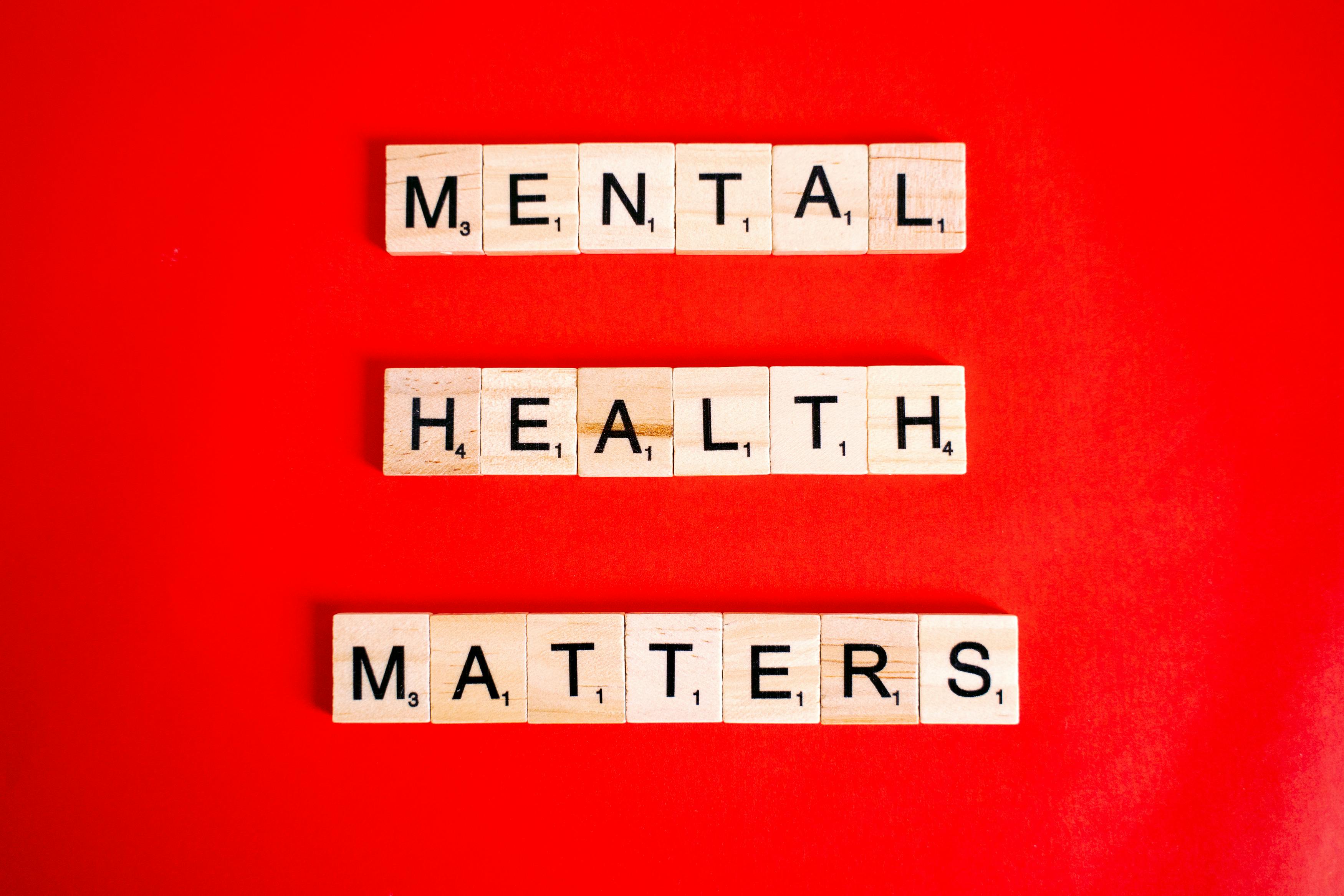
The Importance of Sports in Enhancing Mental Health and Emotions
CreativesHub
January 17, 2026
Anxiety, depression, emotional burnout, mental and psychological problems are becoming the order of the day in the high-stress and fast-paced contemporary lifestyle. Even though treatment and therapy become important to mental health through medically prescribed medication, sports have emerged as a very effective and natural way of helping these mental conditions. There is also a correlation between sports and the increase of emotional resiliency, self-confidence, and psychological stability, which are related to physical fitness due to sports participation.
Correlation of Sports and Mental Health.
Mental health is also directly affected by sports since this is not only the body but the mind also. Endorphins are also released as a result of exercise, commonly referred to as the feel-good hormones, and can relieve stress, anxiety, and other adverse moods. Sports enhance brain activity, improve mood and sharpen the brain. The discipline in sports is also an organized concept that helps individuals to possess the routine and discipline that are required to be emotionally stable. The danger of mental illnesses can be significantly minimized over time as a result of sport involvement.
Sporting activities can serve as a stress reducing activity.
Among the most immediate positive sports impacts, one can single out stress. Sport activities can also be applied during the release of tension that accumulates due to work pressure, academic stress, or personal problems. Football, basketball, swimming, and running are among those sports that help people to forget about the issues they have to solve in real life and live in the here and now. Such psychological discontinuity reduces cortisol, the stress hormone. Sports thus ensure that people are more relaxed, calmed and feel refreshed.
Sports and Emotional Balance.
Emotions are highly controlled through sports. Regular attendance helps individuals cope with anger, frustration, and sadness positively. In particular, team sports help an individual to be patient and cooperative and control emotions at the time when a team loses or wins the match. It takes the learning to take failure and rejoice in success in sports, hence leading to the development of emotional maturity. The positive effects of this emotional balance in the long term are the relationships between people and decision-making in everyday life.
Improving self-confidence and self-esteem.
Sports also lead to esteem and self-confidence. It is an achievement to make personal fitness a goal, or create skills, or make a contribution to a team. The positive reinforcement is used to build a sense of confidence towards self and growth spirit. Sports is an important element in developing the sense of confidence and social identity in children and young adults. Even the adults are more aware of themselves, because physical strength and stamina are improved due to sports activity done on a regular basis.
Social and Mental Interactive Health.
Sports help in socialization which is crucial in mental health. It is the sporting or team play that results in creation of friendships, sense of belonging and support. The loneliness and isolation is reduced because of the bonds formed in sports networks. Communication, emotional bonding, group work, and mutual goals foster a positive system of support, and this is what takes place. Such interactions are very vital towards maintaining psychological wellbeing, especially to individuals who experience stress or emotional problems.
Sports as a source of Anxiety and Depression relief.
As shown by different researchers, a regular sporting activity may be employed to address the symptoms of anxiety and depression. Intensive exercise increases the amount of serotonin and dopamine that improves mood and emotional stability. It has also provided a sense of direction and structure to the lives of individuals with mental issues, through sports. Sports also enhance psychological health since exercise is coupled with a view of the natural surroundings which is a calming activity to the mind.
The Impact of Sport on Psychological Rest and Sleep.
Quality sleep is closely connected with mental health and a major determinant of improvement of sleep patterns is sport. The fact that the internal clock of the body gets easier to control with the help of exercises is positive since it becomes easier to fall asleep and remain sleeping. When one gets better sleep, it enhances cognitive abilities, emotional control, and stress. Sporting individuals have superior and more profound sleep that provides them with a better mentation and daily workings.
Mental Health of children and adolescents in sports.
Through sports, adolescent and child growth in terms of emotional development and psychological stability is important. Sports inculcate discipline, team work and coping mechanisms at an early age. Interaction helps ease the stress of academic work, become more focused, and even express emotionality. Those children who participate in sporting activities are more likely to grow up with positive self image, social values and emotional strength that can see them through in life.
Long-term psychological returns on sports.
The long term psychological impacts of sporting activities are healthy when the sporting activity is conducted on a regular basis. High level of attendance is helpful to build emotional strength, reduce the possibility of acquiring mental diseases, and increase happiness.
Frequently Answered Questions (FAQs).
- Q.What would be the frequency requirements of the sports to be played in order to help mental health?
- The psychological health benefits of exercising include at least three or five times a week. The consistency helps in the emotional regulation, reduces the stress levels and improves mood in the long-term.
- Q.Will athletics replace mental health issues therapy?
- Sports will be able not to replace professional therapy and help in mental health. Most of them are enticed by them to employ them as a form of supplement to medical or psychological therapy.
- Q.Are individual sports helpful to be mentally healthy?
- The response to this is yes, the efficiency of individual sports such as running, swimming, yoga, and cycling is high. They require one to be attentive, reduce anxiety, and provide emotional clarity, which is attained through the focused physical activity.
CreativesHub
CreativesHub admin curating inspiring digital stories, app launches, and creative tools for modern makers.