
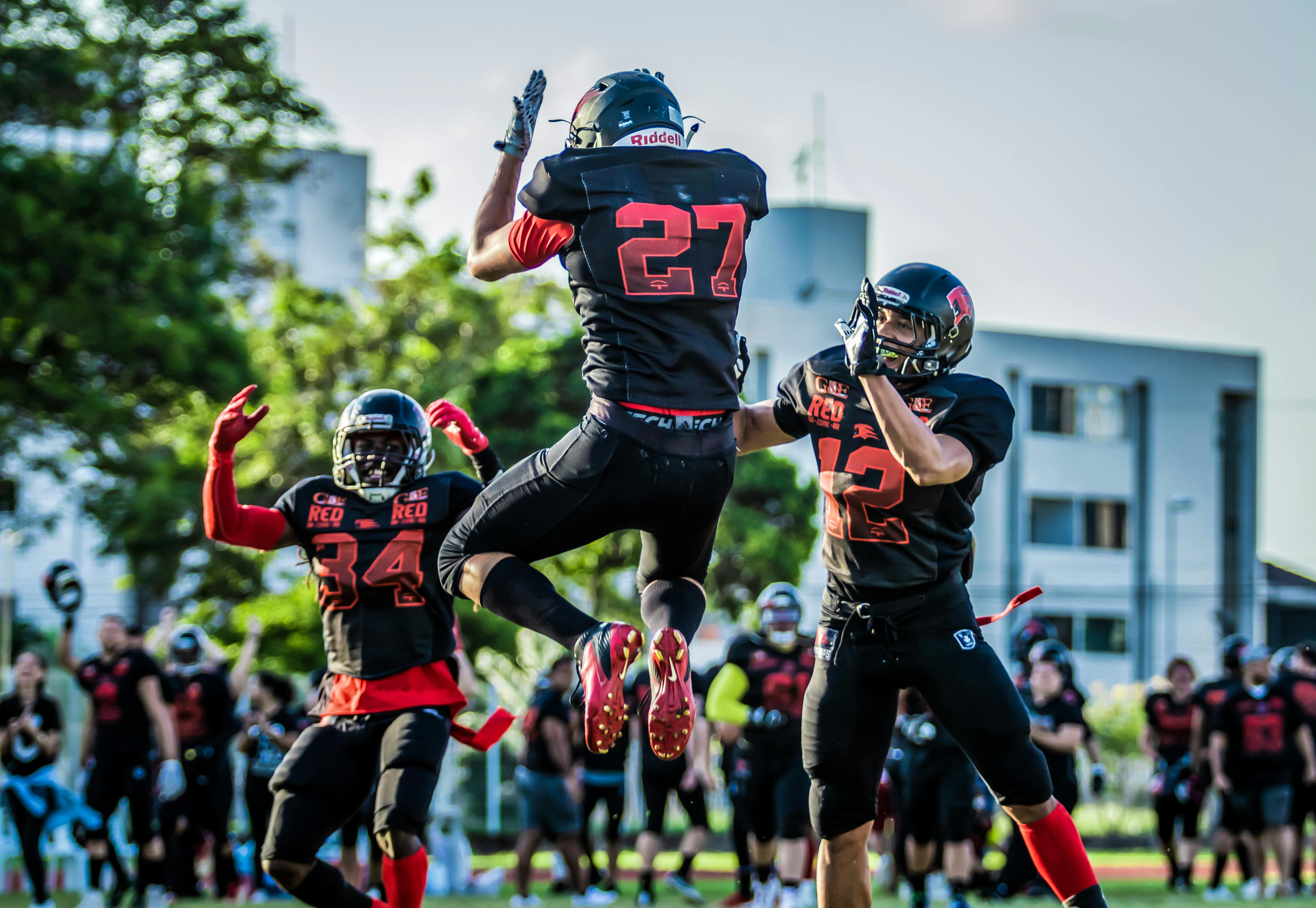
The Role of Team Sports in Building Leadership and Teamwork Skills
CreativesHub
December 30, 2025
Along with a source of sportive activity and entertainment, sports are also the key to personal growth. Among other kinds of sports, team sports are regarded as having a particular significance in the formation of leadership skills, teamwork, and social skills. Some of these activities include football, basketball, volleyball, cricket, and hockey through which people are able to learn to cooperate with one another, make crucial decisions, and communicate. These skills do not only perform in the playing field, but also translate into academic performance, performance at the workplace and relationships with others.
Sports Leadership Team Building.
Leadership is one of the skills that are developed naturally in team sports. It is not unusual that captains and senior players take responsibility in order to lead the teammate, make strategies and affect the behavior. The players who are not captains also may become leaders by leading the practices, suggesting tactics, or helping other team members who are less trained. The team sport helps an individual to become a responsible, initiate, and handle issues when one is under pressure.
Enhancing Interpersonal Communication.
Team sports cannot work without proper communication. The players should be able to pass ideas and make instructions and feedback both in practice and match period. This constant interaction improves verbal and non-verbal communication, active listening and empathy. Sharing with various personalities in stressful situations can enable them to learn the skills of emotional intelligence and interpersonal skills. These are the essential skills in personal relations and career development and hence team sport offers a viable ground of life skills training.
Growing the Teamwork and Teamwork.
Team sport inspires an individual to learn how to collaborate in order to attain a like objective. It also needs to learn strengths and weaknesses of every player, coordinate and support each other to emerge out of the adversities as one to achieve success. This fosters trust, forbearance and accountability to the group performance. The collaboration in sport helps people to understand the importance of compromise, the common responsibility, and mutual respect which are the essential qualities of the leader and collaboration in any field.
Strategic Thinking and Problem Solving.
Team sports involve decision making, problem solving and planning at any given moment. The players too are familiar with the strategy of switching and guessing the move of their opponent as well as responding to unforeseen actions. The experiences encourage critical thinking skills, creativity and strength. Game analysis and quick solutions have made athletes better suited to think in a more efficient way, which could be applicable to any other sphere of life, not only sports, academics, business, etc.
Building self esteem and confidence.
Team sports will help in self-confidence as individuals are offered an opportunity to play a major role in a team. Winning in games, valuation of diligence and praise elevate self esteem. Failures and learning through mistakes in a positive team culture make one stronger and emotionally mature. With sports confidence, people are able to afford risks, they can work as project managers and they can work towards achieving personal goals without strain.
Prosocial and Interpersonal Competence.
Sports such as teamwork are a socialization platform, networking and relationship building. Sportspeople form friendships, know how to fight and make peace and appreciate the other opinions. Some of the positive social experiences that are realized in sports include emotional well being and a sense of belonging. Teamworking skills through good interpersonal skills can be applied into good cooperation in school, work and personal life.
Academic and Career Resources.
It has been found that individuals playing team sports perform excellently in school and in their professions. The skills that are gained in the discipline are leadership skills, communication, and teamwork, which are very important in enhancing collaboration in group projects, work setting and leadership in organizations. Employers admire the qualities, and this implies that athletes are ready to go through any professional challenge. Additionally, sport activities can be studied to be time management, disciplined, and goal-setting, which is essential in career building.
Inclusion and Diversity in Team Sports.
Sports played in teams promote tolerance and diversity. Players are diverse according to their background, cultures, and their abilities, and they are brought together with the same objective. This generates cultural sensitivity, understanding, and understanding. Inclusion process ensures that all people receive equal opportunities in order to develop, encourage collaboration, and reduce social obstacles.
Challenges and Solutions
Despite the many benefits that come with team sports, conflict, competition, and unequal participation are some of the challenges that can be encountered. Team mates, mentors and coaches play a crucial role in guiding in conflict resolutions, fair play and good culture of the team. The respect towards each other, communication and common goals are stressed and contribute to the process of overcoming such issues and making team participation as helpful as possible.
Frequently Asked Questions (FAQs)
- Q.Why is team sports an effective way of developing leadership skills?
- The team sport provides real-life experiences whereby players are put to responsibility as they take control of their teammates and make sound decisions, which result in confidence building, responsibility and decision-making, as well. The players also learn to motivate others, delegate duties to others and know how to resolve internal conflicts.
- Q.Are inter-team relationships effective in improving career opportunities in the sport?
- Yes, yes, both collaboration, problem-solving, and communication, as taught by teamwork in sports, are highly valued both in academia and in the workplace. Individuals who were accustomed to collaborating in teams can be easily adapt to the workplace, performance on team assignments, and develop their effective working professional relations.
- Q.Should team sporting activities take place at any age?
- Absolutely. Adapted team sports can be offered to children, teenagers, adults, as well as older adults, whereby it will promote leadership, teamwork, and social skills across all ages. Team sports may also help a younger player to learn how to work as a team, be disciplined, and communicate with others. Adult learning has the following benefits: enhancement of stress management, networking, and teamwork.
CreativesHub
CreativesHub admin curating inspiring digital stories, app launches, and creative tools for modern makers.